Health - Latest - Google News

Featured post

Every Supplement That Actually Works – Explained

This video from Decoded Health explains the essential supplements for people over 40 to maintain health and vitality as their bodies change ...

Saturday, 27 June 2026

What To Do For Longevity | Lifespan with Dr. David Sinclair Rewind Episode


This video, a "Lifespan Rewind," features Dr. David Sinclair, a professor of genetics at Harvard Medical School, providing a practical, evidence-based guide to longevity and health optimization. He synthesizes key insights from his first season to help viewers live longer and healthier lives.

Key Pillars of Longevity discussed:

  • Nutrition and Fasting (0:00 - 20:17): Dr. Sinclair emphasizes "eating less often," suggesting a form of time-restricted feeding (like one meal a day or a 16-hour fasting window). He highlights the importance of cutting out sugar, reducing red meat intake, and focusing on a plant-based or Mediterranean-style diet to trigger the body's natural defense and repair mechanisms.
  • Exercise (20:17 - 29:22): Beyond just cardiovascular health, exercise is presented as a way to modulate the biological clock. Recommendations include daily movement (aiming for steps), weekly high-intensity interval training (10-15 minutes), and resistance training to maintain muscle mass.
  • Cold and Heat Exposure (29:22 - 36:21): The video discusses the benefits of controlled stress or "hormesis." Cold therapy (like ice baths) helps build brown fat and activate mitochondria, while sauna use (heat shock) can help with protein folding and cardiovascular health.
  • Supplements and Protocols (36:21 - 41:50): Dr. Sinclair shares his personal routine, including the use of resveratrol (for SIRT1 activation), NMN (to boost NAD levels), and metformin (simulating fasting metabolic states).
  • Monitoring and Future Interventions (41:50 - 59:11): He stresses the importance of measuring health markers (like visceral fat, heart rate, and glucose) to optimize one's routine. He argues that by living longer now through these habits, we position ourselves to benefit from the rapidly advancing medical technologies on the horizon.

Core Takeaway: Longevity is driven by consistency in daily habits—diet, movement, stress management (hormesis), and monitoring—rather than complex interventions. Dr. Sinclair emphasizes that it is never too late to begin making these positive changes.

Thursday, 18 June 2026

Every Mental Disorder & Their Effects Explained


This video provides an educational overview of various mental disorders, explaining how they impact brain chemistry, daily functioning, and emotional well-being. The video emphasizes that these conditions are not choices or simple bad moods, but complex disorders that significantly alter an individual's perception of themselves and the world.

Key mental health conditions covered include:

  • Depression (0:00-1:14): Describes how it drains motivation and pleasure by affecting brain chemicals like serotonin and dopamine, causing an overwhelming sense of emptiness.
  • Generalized Anxiety Disorder (1:14-2:28): Explains how it turns worry into a constant, exhausting alarm system that treats everyday situations as threats.
  • ADHD (2:28-3:47): Highlights the struggle with focus and impulse control due to differences in the prefrontal cortex, often causing a gap between intention and action.
  • OCD (3:47-5:05): Details the cycle of intrusive, unwanted thoughts (obsessions) and the desperate need to perform rituals (compulsions) to find relief.
  • PTSD (5:05-6:22): Discusses how trauma rewires the brain’s response to danger, leading to vivid flashbacks and hypervigilance.
  • Bipolar Disorder (6:22-7:46): Describes the extreme, uncontrollable emotional swings between manic highs and depressive lows.
  • Panic Disorder (7:46-9:02): Focuses on the physical intensity of panic attacks and the secondary fear of future attacks.
  • Social Anxiety Disorder (9:02-10:21): Explains how fear of judgment turns daily interactions into anxiety-inducing performances.
  • Eating Disorders (10:21-11:38): Discusses conditions like anorexia and bulimia as tools of control that override basic survival instincts.
  • Borderline Personality Disorder (11:38-13:05): Highlights the instability of emotional regulation and identity.
  • Schizophrenia (13:05-14:32): Explains the fracture in processing reality, including both positive (hallucinations/delusions) and negative symptoms.
  • Dissociative Identity Disorder (14:32-15:55): Describes how the mind fragments into different identity states as a survival response to severe childhood trauma.

Disclaimer: The video emphasizes that this content is for informational purposes only and is not a substitute for professional medical advice, diagnosis, or treatment.

Wednesday, 17 June 2026

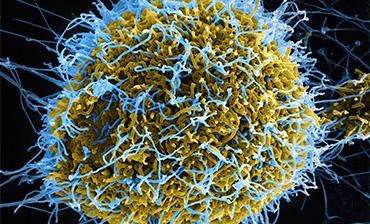
On the front line against Ebola in DR Congo | Global News Podcast


This video features BBC correspondent Anne Soy reporting from the front lines of an Ebola outbreak in the Democratic Republic of Congo (DRC). The outbreak, which is the third largest in history, has centered around the town of Buna in the Ituri province and surrounding remote areas like Mongalo (0:15 - 0:46).

Key takeaways include:

  • Challenges in Response: The outbreak was not identified for weeks or even months, leading to high initial mortality. Local communities were initially resistant to health messages due to deep-seated myths, such as beliefs in witchcraft or poisoning, and misconceptions about the spread of the disease (0:59 - 2:07).
  • Transmission and Myths: A significant factor in the spread was the traditional practice of touching and washing the bodies of the deceased during funerals, as Ebola is highly infectious after death. A specific incident involving a broken coffin led to rumors of a "coffin curse," further fueling suspicion (2:20 - 3:50).
  • Signs of Hope: Despite the challenges, medical teams are seeing survivors, such as Danielle Kalamata. These recoveries act as a critical morale boost and help combat the stigma that visiting treatment centers is a death sentence (4:00 - 5:13).
  • Humanizing Treatment: Healthcare workers have implemented innovations like glass windows in isolation units, allowing families to see and talk to their loved ones without physical contact, which significantly improves the care process and patient dignity (5:15 - 6:50).
  • The Impact of External Factors: The report discusses the potential impact of funding cuts to international aid, suggesting that stronger early surveillance systems might have mitigated the crisis. Additionally, the geography, poverty, and ongoing armed conflict in the region complicate response efforts (7:06 - 8:56).
  • Future Outlook: Experts warn that the outbreak may not have peaked yet, and numbers are expected to rise as testing and reporting improve. While neighboring countries like Uganda have seen cases, the current consensus is that the risk of a global pandemic remains low, provided response measures are swift (9:05 - 11:05).

Saturday, 13 June 2026

The Hidden Superpowers (and Dangers) of Your Blood Type


This video explores the biological significance of human blood types, explaining how they act as a "genetic blueprint" that influences health, disease risk, and stress responses.

Overview of Blood Types:

  • Type O Negative (The Universal Donor): (0:37) Known as "biological ghosts," they can donate to anyone, making them vital in emergencies. However, they can only receive blood from other O negative types (1:20).
  • Type O Positive (The Workhorse): (4:04) The most common type, providing a stable supply for medical systems. They generally have lower risks of heart disease and stroke and show resistance to certain parasites like malaria (4:45).
  • Type AB Positive (The Universal Recipient): (5:25) Known as "biological vampires," they can receive from any blood type. Due to higher clotting factors, they may have an increased risk of blood clots in the modern era (6:40).
  • Type AB Negative (The Intellectual Outlier): (6:56) Extremely rare (less than 1% of the population). Their plasma is universally useful for trauma centers, though they may face potential cognitive or memory challenges as they age (7:50).
  • Type A (The Settler): (8:26) Associated with the shift to farming, these individuals may have higher baseline cortisol levels, making them more sensitive to stress but also potentially more organized and detail-oriented (9:20).
  • Type B (The Nomad): (9:53) Known for versatility and balance, these types are generally hardy but may have a statistically higher risk for type 2 diabetes if lifestyle factors like diet and sugar intake aren't managed (10:40).

Rare Blood Types:

  • Rh-Null (Golden Blood): (2:30) A "mythical" rarity with fewer than 50 confirmed cases in history. It lacks all Rh antigens, making it the most universal blood possible, but extremely difficult for the donor to receive a transfusion if needed (3:35).

Key Takeaways:

While there is no "best" blood type, each has evolutionary trade-offs. Type O generally offers heart resilience, Type A is suited for urban-related immune challenges, and Type B shows nomadic versatility. The video emphasizes that understanding your blood type is essentially "knowing your body’s owner's manual" (11:50).

Wednesday, 27 May 2026

The Terrifying Reality of Fighting Ebola in Africa | 60 Minutes Australia


This harrowing documentary from 60 Minutes Australia explores the devastating reality of infectious diseases and the heroic efforts to combat them.

Part 1: The Ebola Saint (0:00 - 17:16)

This segment follows Anne Carey, an Australian nurse from Western Australia, who volunteers with the Red Cross in Sierra Leone during the West African Ebola epidemic.

  • Frontline Compassion: Despite the overwhelming mortality rate, Anne emphasizes the importance of touch and dignity for the dying (2:29). She views the virus as an "unfair bully" that must be fought (3:41).
  • The Reality of Care: The documentary shows the intense, slow, and meticulous safety procedures required to treat patients, including the use of protective suits and chlorine disinfection (6:18).
  • The Human Cost: The report documents the heartbreaking toll on families and the resilience of survivors like Edwin Cona, who, after recovering, returned to nursing to help others (14:59).

Part 2: Outbreak (17:16 - 29:57)

Reporter Liz Hayes travels to Gulu, Uganda, to investigate the emergence of deadly viruses.

  • Ground Zero: Virologists and medical coordinators discuss the primitive conditions and the extreme risks involved in managing outbreaks, noting that many medical staff have perished while caring for victims (19:21 - 21:26).
  • Environmental and Human Drivers: The investigation reveals how massive population growth, environmental destruction, and deforestation force animals like fruit bats into urban areas, facilitating the spillover of viruses like Ebola and Hendra into human populations (24:55 - 27:16).
  • A Global Warning: Experts like Professor CJ Peters warn that the modern "mega-city" creates the perfect conditions for new viruses to adapt and spread globally. The documentary concludes with a call to think more quickly and act more responsibly toward our planet to prevent future catastrophes (23:40 - 29:57).


What it is Actually Like to have Hantavirus


This video details the terrifying progression of Hantavirus Pulmonary Syndrome (HPS), a rare but deadly respiratory infection, through the story of an individual who unknowingly contracts it while cleaning a remote cabin. With a mortality rate near 40%, the infection is particularly dangerous because it often mimics common flu symptoms, delaying critical medical intervention.

Progression of Infection:

  • Exposure (Day 1): The victim inhales aerosolized viral particles while cleaning mouse droppings in a dusty, long-vacant cabin (0:00 - 2:06).
  • Incubation (Days 2 - 14): The virus enters the endothelial cells of the lungs and spreads throughout the bloodstream via a non-lytic process, meaning it avoids immediate detection by the immune system (2:06 - 6:41).
  • Initial Symptoms (Days 15 - 19): Symptoms begin with headaches, fever, muscle pain (myalgia), and eventually gastrointestinal distress (6:41 - 8:35).
  • Critical Phase (Day 20 - 21): The body experiences a cytokine storm, where the immune system's aggressive reaction causes blood vessels to leak fluid into the lungs. This leads to respiratory failure, requiring immediate ICU admission and mechanical ventilation (8:47 - 12:00).
  • Recovery (Days 22 - 25+): If the patient survives the critical phase, the vessels eventually seal, and the kidneys flush out the excess fluid. Recovery is slow, often involving months of lingering fatigue and breathing difficulties (13:19 - 14:58).

Key Takeaway: Hantavirus is a silent killer that turns the body’s own immune response into a weapon. Because there is no specific cure, early detection and supportive care in an ICU are the only ways to manage the syndrome.


Wednesday, 20 May 2026

Ebola Outbreak | Ebola deaths in eastern Congo rise to 131